Email : Data
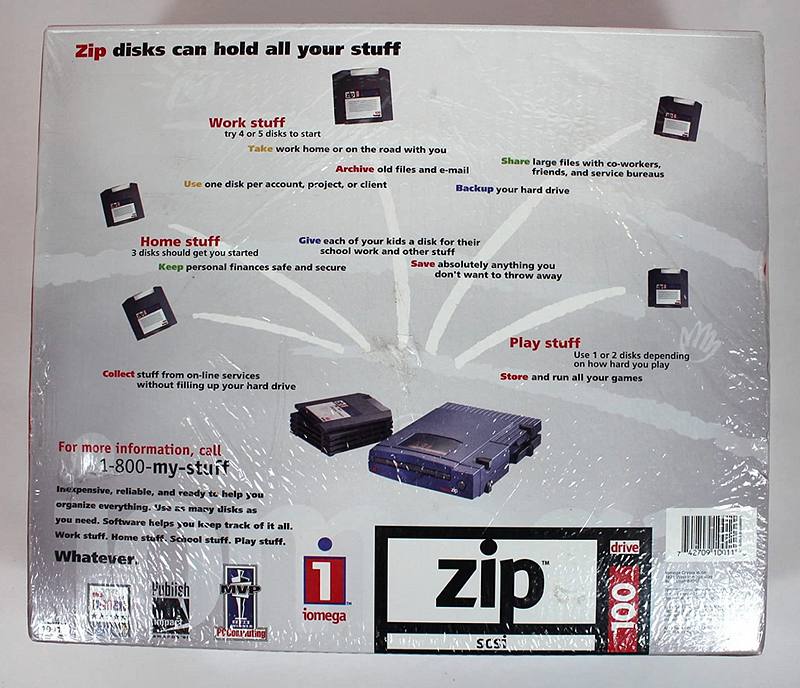
The inbox is the modern Zip discs — it holds all your stuff!

The inbox is the modern Zip disc — it holds all your stuff!
Our emails carry a huge amounts of data, many of which contain untapped value for businesses.
Every inbox is a source of unlimited, unstructured data. It is a place for work stuff, home stuff, play stuff, an almost unlimited archive now that we live in the cloud. Email inboxes are modern day Zip discs.
In order to get the most value out of our email data, businesses must first understand the limitations and potential of the data they are working with. This includes identifying the provenance of the data, the variety of data that is being sent and received, the speed at which data can be accessed, and the trustworthiness of the data. Additionally, businesses must consider the number of email users (Total Addressable Market) and the limits to the amount of data that can be stored and accessed.
In the beginning, email was limited by six pillars:
- Provenance: where the data came from
- Range: variety of data that was sent/received
- Speed: time it takes to view/receive data (internet speed/ease of access)
- Truth: how data is sent, can it be trusted?
- Universality: number of email users (TAM)
- Volume: limits to how much data could be stored/accessed
With improved connectivity and the move to the cloud, the original six evolved to become:
- Access: where data lives
- Provenance: where the data came from
- Value: better range, speed and volume
- Visualisation: how data is viewed/interpreted
Once these limitations have been identified, businesses can then work to overcome them through improved connectivity and the adoption of cloud technology. By connecting to multiple inboxes through a single interface, businesses can expand the potential value of their data by merging and organising it. This allows for greater insights and connections between datasets to be revealed.
In addition to connectivity and cloud technology, businesses are also looking towards automation and AI to extract and manage email data. With the rise of app stores and mobile technology, businesses are beginning to see the value of having specialised software and platforms that can be easily accessed and integrated into their workflow. Just as the App Store played a significant role in the success of the iPhone and Apple, businesses are now recognising the potential of automation and AI to drive innovation and growth.
At Sedna, we are already developing features that are powered by AI and automation, such as email sorting and categorisation and in the future, personalised email responses, and advanced analytics. The goal of these tools is to automate repetitive and time-consuming tasks, allowing businesses to focus on more important and strategic tasks.
Moreover, with the increasing trend of machine learning and AI, businesses are able to analyse a large amount of data in a short time, which can help in decision making and optimise business processes. This will lead to a more productive and efficient workflow, which can result in cost savings, improved customer service, and increased revenue.
In light of the potential value that can be extracted from email data, it’s important for businesses to rethink how they work with email. Instead of treating email as just an infinite archive of data, businesses should view it as a valuable resource that can drive innovation and growth. This means looking beyond the traditional limitations of email and exploring new ways to connect, extract, and visualise data.
To do this, businesses should consider adopting new technologies and platforms that can help them extract the most value from their email data. This includes cloud-based solutions, specialised software and platforms, automation and AI, and advanced analytics. Additionally, businesses should focus on creating a user-friendly and intuitive experience for employees, which can lead to increased efficiency and productivity.
In conclusion, email data holds a wealth of untapped potential for businesses. By rethinking how we work with email, businesses can harness this potential to drive innovation and growth. By adopting new technologies and platforms, creating a user-friendly experience and focusing on extracting the most value from the data, businesses can unlock the true power of email.